
5 Ways Dance Builds Resilience in Young Children
Resilience builds through small experiences of trying hard things. Here's how a Saturday morning dance class is one of the better places to build it.
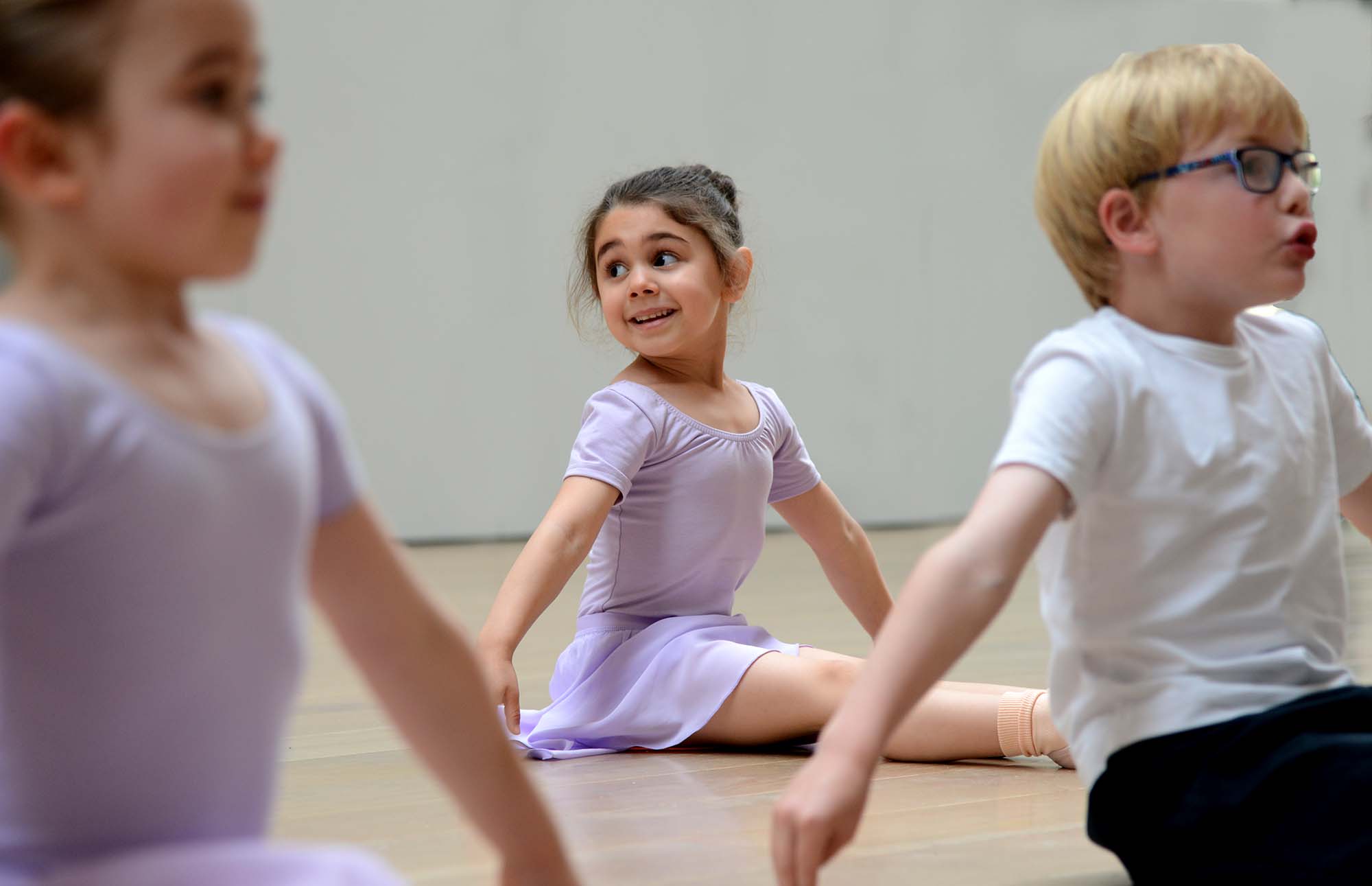
Resilience. It is the word every parent and teacher reaches for these days, and with good reason. Children who can recover from setbacks, try difficult things, and keep going when it is hard tend to do better in school, in friendships and in life.
What is perhaps less obvious is that a Saturday morning dance class is one of the most effective places to build it.
Here are five ways we see dance develop resilience in children, every single week.
1. Learning to try something they cannot yet do
In dance, you learn by attempting something you cannot yet do. A new step, a new sequence, a new piece of music. On the first attempt it usually looks nothing like the teacher's demonstration. On the fourth attempt it starts to come together. On the tenth attempt, the child can do it without thinking.
That cycle (try, fail, try again, improve) is resilience in its most practical form. In a small, nurturing class where there is no judgment and no pressure to be perfect, children learn that not being able to do something yet is completely normal, and that effort leads to progress.
2. Performing in front of others
There is a moment in every term when children are asked to show what they have been working on, perhaps to the group, perhaps at an informal showcase. For many children, especially shy ones, this feels enormous.
Getting through that moment (showing up, doing it, hearing the applause) builds the kind of confidence that is hard to manufacture any other way. It teaches children that the nerves before something scary are not a reason to back out. They are something to walk through.
3. Working as part of a group
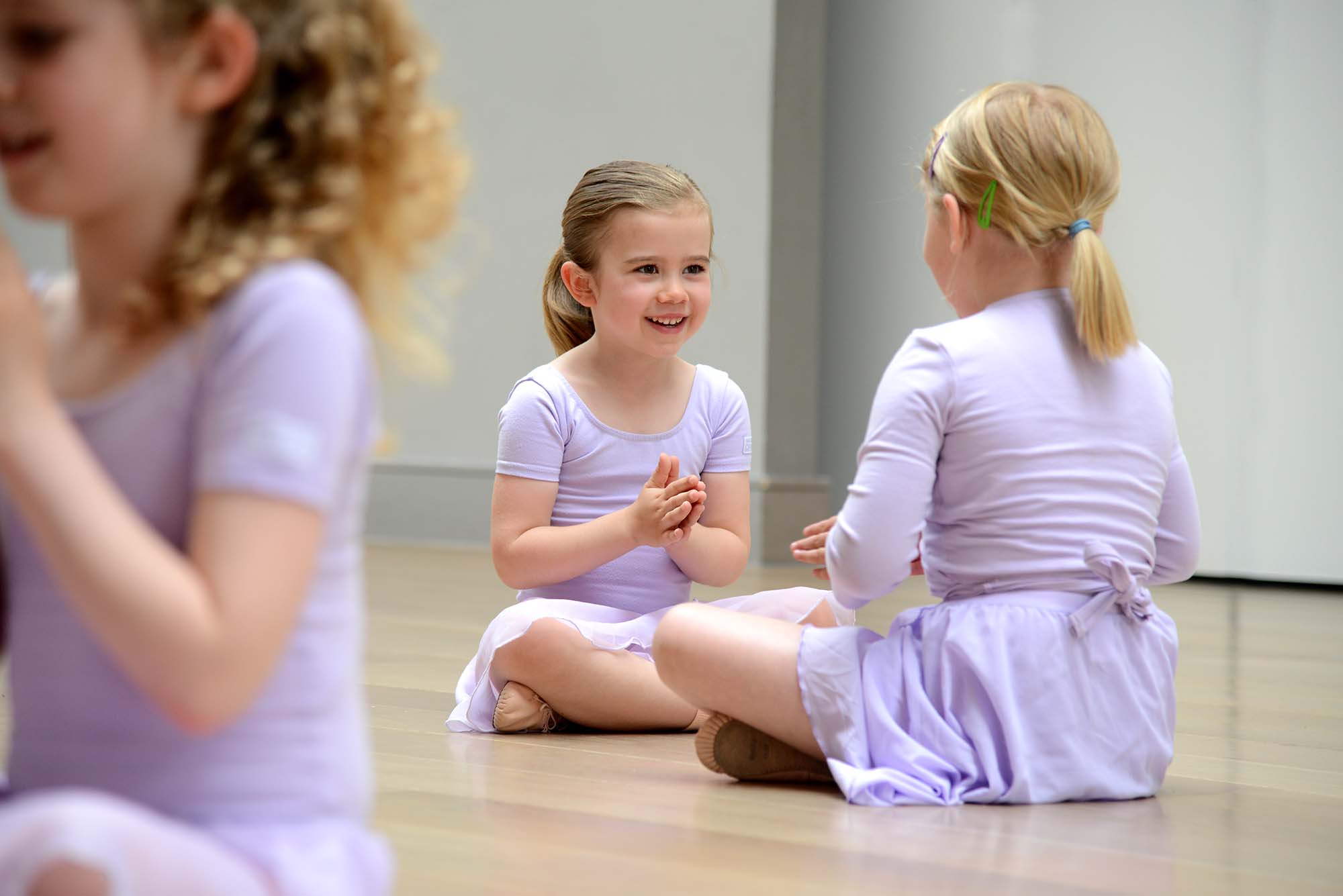
Dance is a team effort, even in classes that are not formally about performance. Children learn to wait their turn, to share space, to match their timing to others and to support the child next to them.
When a classmate is struggling, children in dance learn the social skill of encouragement rather than ridicule. When they themselves are struggling, they see that others sometimes find things hard too. That normalises difficulty and builds emotional resilience alongside the physical kind.
Want to see what weekly dance can do for your child? Try a £10 trial class with no commitment. Saturday mornings in Chipping Norton and Fairford.
4. Following instructions and staying focused
Young children are not naturally good at sustained focus. Dance classes, with their structured format, regular changes of activity and clear instructions, build attention and self-regulation over time.
Children who start at two and a half in our Dance Explorers sessions and continue through pre-primary and primary ballet will have spent years practising the skill of focusing on a teacher, listening to an instruction and executing it. That transfers directly to classroom learning, and to any other structured activity where following direction matters.
5. Showing up every week
This one is simpler than it sounds. Turning up every Saturday, regardless of whether they feel like it, whether they are tired, whether there is something else they could be doing: that is habit-building. It is a small, weekly practice of commitment.
Children who have a regular Saturday morning activity that they take seriously develop a sense of routine and responsibility. They learn that some things are worth showing up for, even when it is not perfect. That is a life skill, dressed up as a dance class.
What resilient children look like at Intune
We have children who started with us at two and a half who are now working through their RAD grades at nine or ten. They have faced new classes, new teachers, new challenges and the occasional wobble. But they have also seen themselves grow. They know they can do hard things, because they have done them before, every Saturday morning for years.
If you would like to see what that kind of consistent, nurturing environment can do for your child, come and try a class. We are in Chipping Norton and Fairford, and we would love to meet you.