
How to Choose a Children's Dance School
Not all children's dance schools are the same. Here's what to look for, and what to watch out for, when finding the right class for your child.
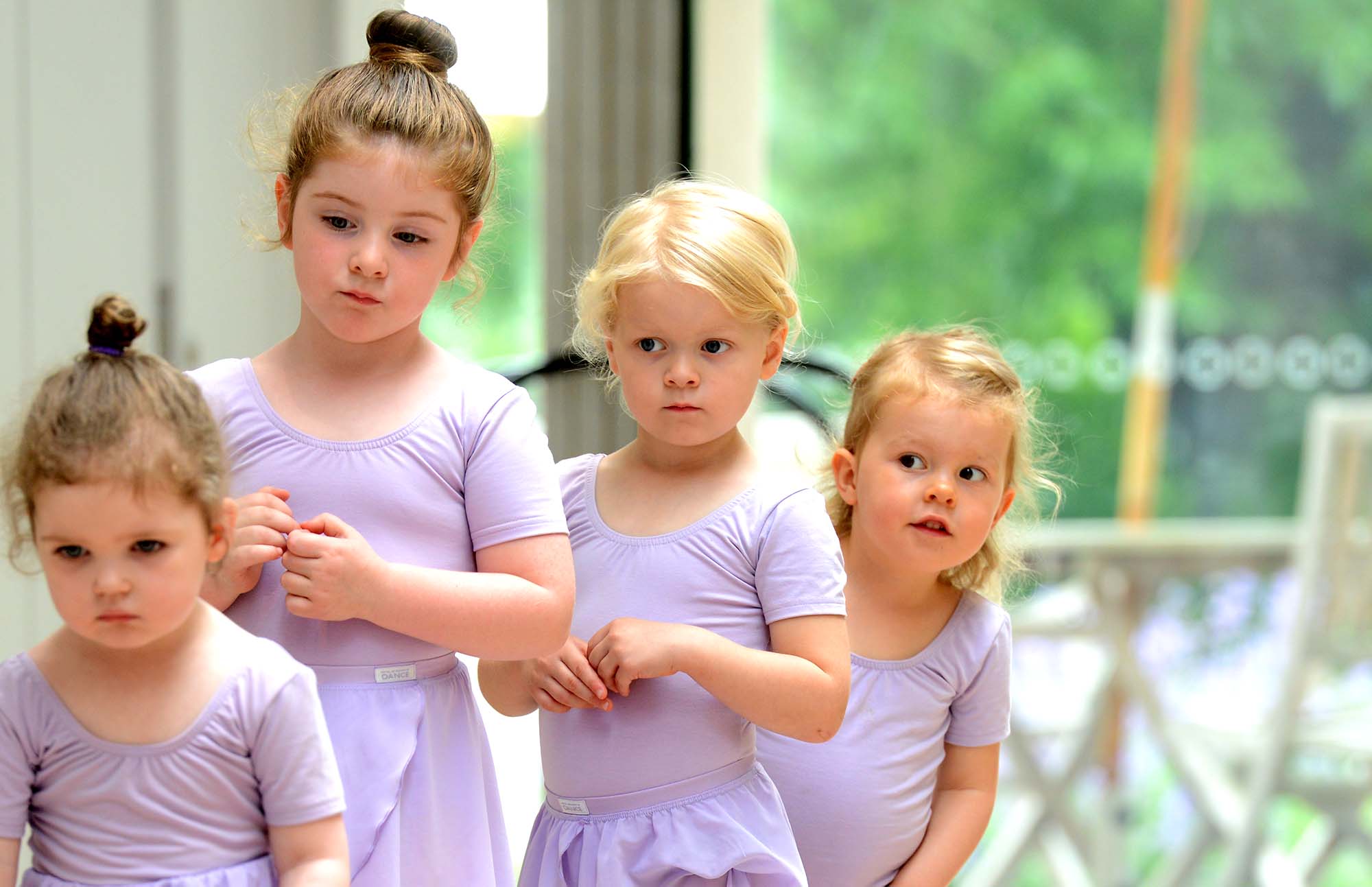
Searching for "children's dance classes near me" will give you plenty of options. But how do you tell the difference between a class that will genuinely benefit your child and one that is just filling a Saturday morning slot?
After years of teaching, and hearing from hundreds of parents about what they wish they had known before signing up elsewhere, here is what we think actually matters.
1. Teacher qualifications: what they actually mean
Ask whether the teachers are qualified through a recognised examining body. The main ones to look for are:
- RAD (Royal Academy of Dance): the gold standard for classical ballet
- ISTD (Imperial Society of Teachers of Dancing): covering multiple styles including ballet and street
- BBO (British Ballet Organisation): another well-respected classical body
- IDTA (Imperial Dance Teachers' Association): covering a wide range of styles
Qualifications through these bodies mean the teacher has trained properly, follows a recognised syllabus, and is regularly assessed. "I've danced all my life" is not the same thing, and it is not an unfair thing to ask about.
2. DBS checks and safeguarding
Every adult who works regularly with children should have an up-to-date DBS (Disclosure and Barring Service) check. This is a background check that clears adults to work with children.
A reputable dance school will volunteer this information. If you have to ask, ask directly. If the answer is uncertain or deflected, that is a red flag. At Intune, all our teachers and assistants are DBS checked and first aid trained.
3. Class sizes
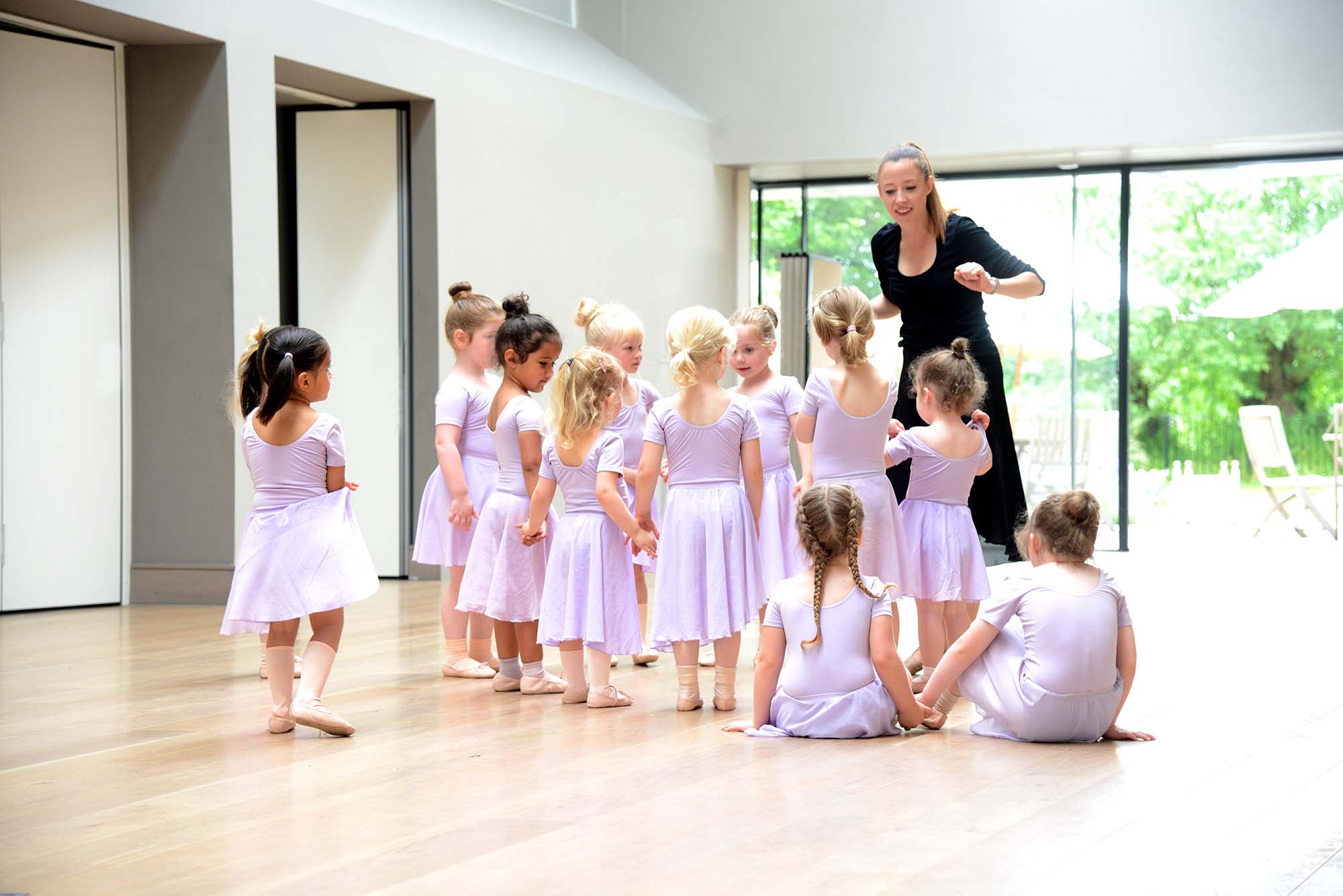
The smaller the class, the more individual attention your child receives. This matters especially in the early years, when children need a teacher who can see how they are moving, correct gently, and notice when a child is struggling or disengaged.
Large classes can work for older, more experienced dancers. For toddlers and primary-age children, small groups where the teacher knows every child by name make a real difference.
4. The balance between technique and enjoyment
There is a spectrum in children's dance education. At one extreme: all fun, no structure, children essentially running around to music. At the other extreme: rigid, pressured technique teaching that drains the joy out of moving.
The best classes sit in the middle. They follow a recognised syllabus, so children learn real skills and progress in a structured way, but the teaching method is playful, imaginative and encouraging. Children should leave every class looking forward to the next one.
Ask the school: what syllabus do you follow? How do you balance technique with free expression? If the answer is vague or if the sample class you observe looks chaotic or joyless, trust your instinct.
Curious how we balance technique with fun? Come and see for yourself. Our £10 trial class is designed to give you and your child a genuine feel for what we do, with no commitment either way.
5. How the school handles nervous or reluctant children
This is perhaps the most important thing for parents of younger or shyer children. Ask directly: what do you do when a child won't join in? What happens if my child cries?
The answer you want: "We never force children to participate. We give them time and space to settle at their own pace. It usually does not take long."
The answer you do not want: any suggestion that children who are slow to settle are a problem to be solved quickly, or that parents should "just leave" and let the child cry it out.
At Intune we know from long experience that the children who are hardest to settle at first are often the ones who love it most fiercely once they do. Patience is part of the job.
6. A trial before commitment
Any school worth its salt will offer you the chance to try before committing to a full term. This might be a free trial, a taster session, or a reduced-price first class.
This protects you as a parent: you get to see how the teaching is, how your child responds, whether the class time works, whether the venue is convenient. And it protects the school too: families who join after a trial tend to stay.
We offer a £10 trial class. No pressure, no sales pitch, no expectation that you will sign up. You are welcome to come, watch, and decide in your own time.
Finding the right class in the Cotswolds
If you are in or around Chipping Norton, Fairford or anywhere in the surrounding Cotswolds and Gloucestershire area, we would love you to come and see what we do. Our teachers are RAD, ISTD and BBO qualified, all DBS checked, and specifically chosen for the warmth and patience they bring to working with young children.
Book a trial class or use the class finder on our homepage to see which session fits your child's age. We will look after the rest.